English| USD
Suggested for you
More currencies
Choose a language
A semi-submersible submarine is not a submarine at all—it's a surface vessel with a submerged observation chamber. The question matters because first-time visitors often expect a full dive experience, when the reality is closer to looking through a large aquarium window while the boat moves along the Adriatic coast.
Quick answer
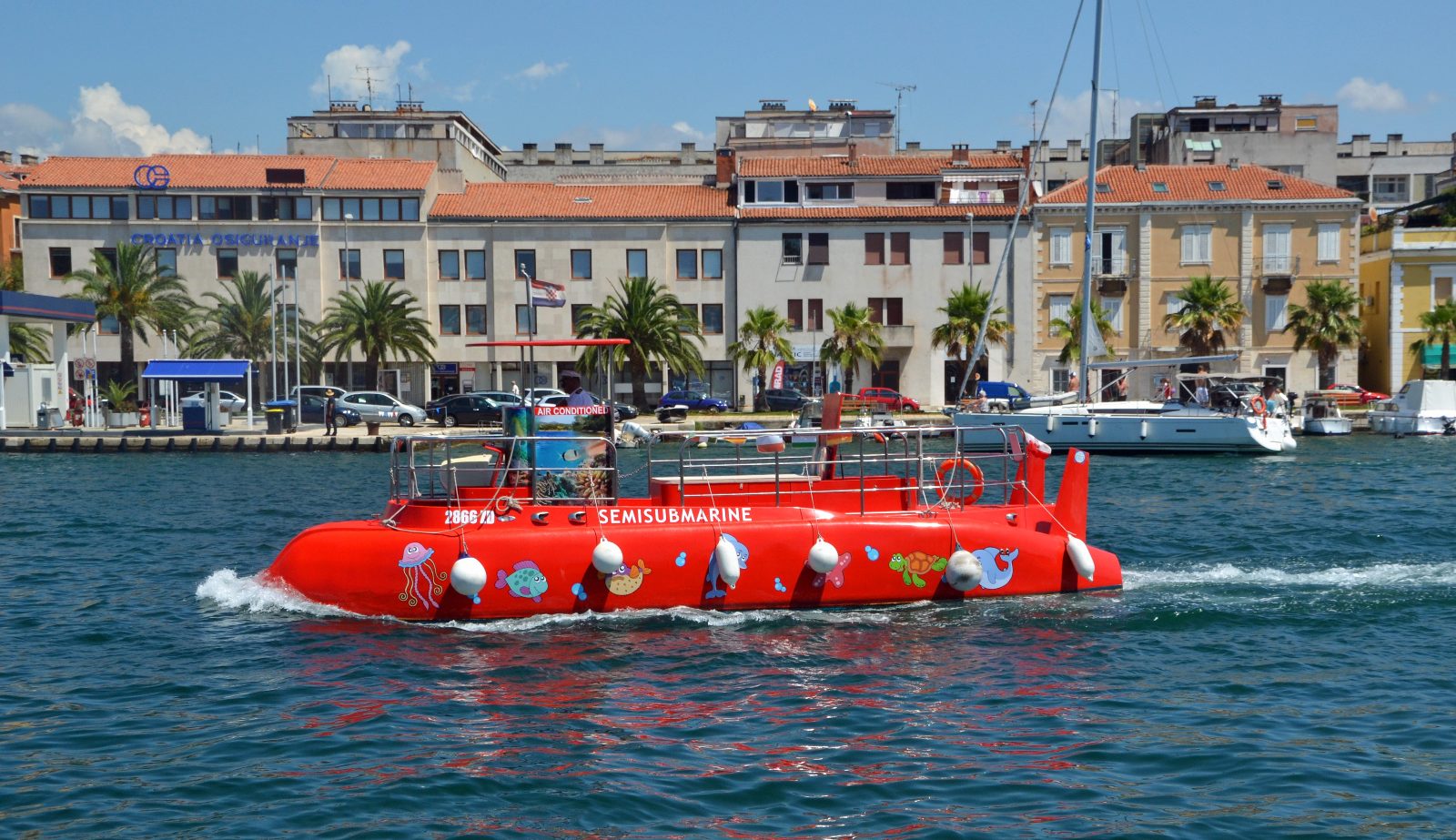
A semi-submersible submarine is a passenger boat with an underwater viewing gallery located approximately 1.5 to 2 meters below the waterline. The hull remains on the surface while passengers sit in an air-conditioned chamber fitted with large panoramic windows that offer direct views of the seabed, marine life, and underwater rock formations. The vessel operates at atmospheric pressure—no pressurization, no descent beyond the shallow observation level, and no special training required for passengers.
The hull design splits the vessel into two functional zones: an open-air upper deck that remains fully above water, and a sealed lower chamber where passengers sit during the tour. The chamber is built into the boat's structure below the waterline, creating a stable, pressurized-cabin environment that eliminates the claustrophobia and safety concerns associated with true submersibles. Understanding what is a semi submersible submarine begins with recognizing what it is not. Unlike military or research submarines that dive to depth and operate in complete submersion, these Adriatic tour vessels are surface craft. The observation windows—made from reinforced acrylic or tempered glass—sit just beneath the waves, offering a stationary view as the boat moves slowly through shallow coastal waters. Propellers and rudders function conventionally; the hull shape and ballast distribution keep the lower chamber submerged while the upper structure provides buoyancy and stability. Passengers board from the upper deck and descend an interior staircase into the viewing gallery. The chamber remains dry, lit, and climate-controlled throughout the journey. Windows wrap around the seating area, creating a 180-degree field of view. The clarity of that view depends on water conditions—suspended sediment, plankton blooms, and wave action all affect visibility. Calmer seas and clearer water mean sharper views of rock walls, schools of fish, and the occasional octopus moving across the seabed. The vessel design addresses the most common safety concern: what happens if the lower chamber floods. Each semi-submersible observation boat in the Adriatic operates with watertight compartments, bilge pumps, and emergency flotation systems. The upper hull cannot sink even if the lower chamber takes on water, and all exits lead to the surface deck. Life vests, emergency lighting, and crew protocols meet international maritime standards. The shallow operating depth—never more than a few meters—allows passengers to surface immediately if needed. This hybrid configuration explains why semi-submersible tours cost less than scuba diving excursions but more than standard boat trips. The experience bridges surface tourism and underwater exploration, offering visibility without certification, submersion without risk, and access to marine environments that remain out of reach for non-divers.
“The observation windows sit just beneath the waves, offering a stationary view as the boat moves slowly through shallow coastal waters.”
The semi-submersible vessel operates on the principle of a dual-hull design, keeping the primary deck above the surface while lowering an observation cabin below the waterline. This configuration ensures consistent buoyancy and stability throughout the journey.
The vessel consists of a surface-level deck and a submerged observation hull, which remain permanently connected. This design prevents the vessel from diving, ensuring it stays on the surface at all times.
The observation deck is filled with air and reinforced to withstand water pressure at shallow depths. This mechanism allows passengers to view the underwater environment through thick, impact-resistant windows.
The propulsion system and steering mechanism remain located in the upper hull above the waterline. Because the engines stay dry, the vessel operates reliably throughout its standard daily schedule.
Engineers utilize internal ballast tanks to maintain the vessel's vertical stability and prevent listing. These systems ensure the underwater cabin remains at a fixed depth while the upper deck stays dry.
The observation cabin features a direct connection to the surface, allowing for continuous ventilation and air circulation. This ensures the environment remains comfortable for passengers without requiring specialized life support.
Technically, these vessels are classed as surface craft rather than submarines. They do not possess the capability to change depth or submerge independently, which eliminates the risks associated with deep-sea pressure changes.
The best arrival window is 09:00–11:00, as clearer water and calmer sea conditions provide the best underwater visibility. Arriving during this period ensures optimal light penetration for viewing the Adriatic marine life.
Mild temperatures (18–24°C)
Warm enough for boat travel with fewer passengers on board.
Warm temperatures (25–30°C)
Expect higher passenger volume and busier docks during these months.
Cooling temperatures (18–23°C)
The water remains clear while crowds begin to subside significantly.
—
Reduced activity on the water allows for a more controlled observation experience.
Verdict: The best time to visit is during the shoulder months of May, June, or September, specifically arriving between 09:00–11:00 on weekdays to ensure the clearest visibility and quietest conditions.
The semi-submersible submarine tours operate on a consistent schedule throughout the week to accommodate visitors exploring the Adriatic coast.
A few practical items will keep you comfortable during the underwater viewing experience.
Everything you need to know about what is a semi submersible submarine
A semi submersible submarine is a specialized vessel that remains on the surface while its passenger cabin stays submerged beneath the waterline. This design allows you to view the marine life of the Adriatic Sea through thick, reinforced glass windows while maintaining constant contact with the surface. Understanding what is a semi submersible submarine helps passengers feel more comfortable as the craft does not fully submerge or dive like a military submarine. By keeping the main hull afloat, the vessel ensures a stable platform for underwater observation without the risks associated with deep-sea navigation. Visitors often wonder what is a semi submersible submarine when booking their sea excursion. The vessel features a dual-hull construction where the upper deck remains above water for ventilation and safety, while the lower observation deck provides clear views of the seabed. You can move freely between the deck and the cabin, making it an accessible way to explore maritime landmarks without getting wet. Safety is the primary focus of the design, which is why operators maintain strict operational protocols during every trip. Because the vessel stays on the surface, it provides a secure environment for families and non-swimmers to observe the underwater world. You remain in a controlled, pressurized cabin that is always linked to the atmosphere above. No swimming skills are required because the entire experience takes place within the protected, submerged cabin of the vessel. The best time to experience the tour is between 09:00 and 11:00, as the water is typically clearer and the sea conditions are calmer, offering better visibility of the Adriatic habitat. Choosing this time slot is recommended for anyone curious about what is a semi submersible submarine and looking for the best visual experience. Unlike traditional submarines that use ballast tanks to sink and resurface, these vessels are permanently semi-submerged. They rely on the buoyancy of the upper hull to keep the lower observation room below the waves at all times. The cost for a standard tour starts at 15 EUR per person. This fee covers the excursion experience, providing an affordable way to observe local marine life and coastal geography.